Rizzo The Nihilizo

Thursday, February 1, 2007

Insecto-pornography poetry

I want to fuck a beetle
I want to fuck it hard
Reduce it to the fetal
And then smoke some shard

I want to cum on a mosquito
Then eat some mescalito
I want to shove flies in my ass
Ugly despicable and crass

I love them all, the squiggly things
Inside the earth they are the Kings
In my heart they reign supreme
Thinking about them makes me cream

Labels: , , ,

Wednesday, January 31, 2007

On Methamphetamine

From a post of mine on &totse:

I do, or maybe I don't, how can I know? Do you know where you're going with this? Maybe I'll try.

Bad shit happens. We don't like bad shit. We don't want other people to have bad shit happen, because we don't want bad shit to happen. Is this because other people going through badshit affects us badly or because we're all one being? Either way its irrelevant as you'll get the same ending - bad shit unless you take a good shit. And let me tell you, there is a big difference between a good shit and a bad shit. A good shit is orgasmic and blissfull and better than any drug or any sex. A bad shit is worse than any overdose or withdrawal or bad trip ever.

And meth will make you shit. Oh will it make you shit. It will make you shit a lot. The more you shit, the lower the quality of your shit. Quality and quantity are part of a magnet, or maybe they are a magnet or have nothing to do with magnetism whatsoever. The point is, they're different, but only at our level of perception. There are no good or bad trips.

So in summary, there is no summary and there is no point, but watch what you eat and what you shit and always wipe your ass. You don't want to sit in your own shit.

Labels: , , , ,

Saturday, December 9, 2006

You're Very Welcome

Photobucket - Video and Image Hosting

Helping people, one person at a time!

Labels: , ,

Friday, October 27, 2006

Opiate and (meth)Amphetamine Tolerances: Reduction, Prevention, Information:

We all know how much tolerance sucks; it will burn holes in your pockets, prevents you from getting as high as you used to, and increases the chance you're going to overdose. Well, I'm just here to let you know it doesn't have to be like that. There is hope to stop yourself from gaining tolerance, and to even completely reverse it to the point where you're getting as high as you did the first time. Do you remember the first time you got high on your opiate/opiod of choice, or the first time you got spun as fuck on meth/amps? It was fucking beautiful, huh?

NDMA antagonists have been shown to reduce tolerance to morphine:

Co-administration of dextromethorphan, memantine or MRZ 2/579 between tests 1 and 2 dose-dependently (5-10 mg/kg) inhibited the development of morphine tolerance.

Although this study shows DXM along with memantine stops a user from gaining morphine tolerance, there is some evidence that DXM alone can stop an opiate tolerance and maybe even reverse it. Also, even if DXM is not very powerful at directly reducing tolerance without another NMDA antagonist, it can certainly potentiate the effects of opiates, and reduces the negative effects of them:

Preclinical and double-blind single-dose placebo-controlled studies demonstrated that MorphiDex (MS:DM), a 1:1 ratio of morphine sulfate (MS) to dextromethorphan hydrobromide (DM), provides significantly greater analgesia than an equal dose of immediate release MS, with a faster onset, and a duration of > or = 8 h. The analgesic effect of MS:DM compared to MS was evaluated in 2 double-blind, multiple-dose studies in 321 patients with cancer and other chronic pain: a crossover study that consisted of two 2-wk periods and a 4-wk parallel study. As specified in the study protocols, patients took sufficient MS or MS:DM to achieve satisfactory pain control. In the crossover study, the MS:DM group required half as much morphine as the MS group to achieve satisfactory pain control (80 mg and 162 mg, respectively). The interval between doses and the time from the last dose of the day to the first dose of the next day were significantly longer for MS:DM compared to MS. In the parallel study, MS:DM also provided pain control at a significantly lower dose. After four weeks of treatment, the mean daily dose of MS increased, while there was little change in the MS:DM mean daily dose (P = 0.025) to maintain satisfactory pain control. More patients preferred MS:DM to run-in MS than preferred MS to run-in MS (P = 0.026). The addition of DM to MS did not increase the incidence of adverse events, which were those commonly associated with opioid use. These studies confirm that MS:DM provides satisfactory pain relief but at a significantly lower morphine daily dose.

From here.

Note that DXM is not the best choice for reducing tolerance, it is just the cheapest and most available. Do not think that a "stronger" dissociative like ketamine or PCP will work better, because it is likely that DXM's tolerance reducing ability is linked to the specific sigma receptors with which it is an agonist of. NMDA antagonists also reduce tolerance to amphetamine. It should be noted that some doses of NMDA antagonists will only stop tolerance, not reverse it:

A rat warm-water tail-withdrawal procedure was used to examine the effects of chronic administration of the competitive NMDA receptor antagonist LY235959 in morphine tolerant rats. Morphine dose-dependently increased tail-withdrawal latencies from 55 degree C water. When morphine (10 mg/kg) was administered twice-daily for 7 days, the morphine dose-effect curves shifted 0.3-0.5 log unit to the right. When morphine was administered for an additional 7 days, the morphine dose-effect curve shifted 0.4 log unit further to the right. Co-administration of LY235959 (1, 3, 10 mg/kg) along with morphine prevented the development of tolerance observed during the second week of chronic morphine administration. Although the highest dose of LY235959 (10 mg/kg) partially reversed tolerance in five of seven rats, tolerance was not reversed by lower doses of LY235959. These data suggest that NMDA receptor antagonists may effectively prevent the progressive development of morphine tolerance at doses that are not sufficient to reverse pre-established morphine tolerance.

From here.

Here's an extremely helpful thread from bluelight:

Amphetamine tolerance is caused by excess Ca++ influx through the NMDA receptor gated calcium channels on the outer membranes of the dopamine cells bodies in the ventral tegental area, one of two areas in the brain with concentrations of dopamine producing neurons.

As alluded to above, taking an appropriate NMDA (partial) antagonist will prevent the development of a tolerance for the effects of an amphetamine or amphetamine-like stimulant. Also, by preventing excess Ca++ influx into the neuron, an NMDA antagonist will prevent associated brain alterations and damage (excitotoxicity).

Studies have indicated that amphetamine tolerance is prevented by exogenous or endogenous agents that are able to inhibit excess Ca++ influx into the neuron through the gated calcium channels on the neuronal membrane that have NMDA subtype glutamate receptors .Glutamate , the body’s major excitatory neurotransmitter, opens the gated calcium ion channels upon attaching to the NMDA receptor. A number of other receptors are also expressed on these calcium channels, which, when stimulated, either facilitate or inhibit glutamate’s action.

It is also important that agents that inhibit calcium channel activity not also cause deficient Ca++ influx. For example, ketamine is a full NMDA receptor antagonist, that prevents excess Ca++ influx and amphetamine tolerance. But being a full NMDA antagonist, ketamine in excessive doses results in deficient Ca++ influx. This could be one of the reasons it leaves K-user in a state of disassociation.

So, basically you can stop amphetamine tolerance and even reduce it if you can stop the Ca++ influx. How can you do this? Quite easily, actually. From the same post that I quoted earlier:

Magnesium is also an NMDA antagonist. Most people are deficient in magnesium, and stress reduces magnesium levels. Whether or not one takes amphetamines, magnesium supplementation is very important for mood, general well-being and keeping stress levels under control. It is also important to take magnesium in efficient form, with adequate bioavailability. The best type is magnesium glycinate (chelated) with bioavailability at around 80%. Second best is magnesium carbonate with (I don't remember exactly) bioavailability at little above 30%. Supplemented magnesium should be at 500 mg/day level. Also there is a study which shows that children who use amphetamine-type stimulants have bad magnesium/calcium balance. Calcium levels stay the same with amphetamine usage, but magnesium levels drop.

There are a few theories regarding just how exactly NMDA antagonists are able to reduce tolerance. One of these ideas, regarding neuroplasticity , is the idea that NMDA receptors are responsible for tolerance, physical dependence, and sensitization, and so thusly NMDA antagonists are able to reduce and prevent tolerance:

RESULTS: The effects of NMDA receptor antagonists on the development of tolerance to opiate analgesia and the development of opiate physical dependence do not appear to be due to confounding behavioral effects produced by high doses of NMDA receptor antagonists, "side-effects" of a particular drug or drug class, blockade of associative learning processes, or state-dependency. Results on tolerance and sensitization to the locomotor effects of morphine are more mixed and controversial; however, there is evidence suggesting that NMDA receptor antagonists may inhibit these phenomena in a similar manner. CONCLUSIONS: NMDA receptor antagonists appear to inhibit the neural plasticity underlying some forms of opiate tolerance, sensitization and physical dependence, suggesting that NMDA receptors are involved in the development of these drug-induced changes in behavior. Further research will help to determine the neural mechanisms responsible for these phenomena, and the therapeutic potential for drugs acting on the NMDA receptor complex in the treatment of pain and addiction.

Taken from here.

For those of you in extreme pain daily, or just most of the time, I highly sympathize with you, as I have my own chronic pain problems. However, there is evidence to suggest that hyperalgesia is related to opiate tolerance, the idea of which will most likely not surprise some of you who are in pain and have a huge natural or perhaps "unnatural" opiate tolerance:

A model proposing that N-methyl-D-aspartate (NMDA) receptor and opioid receptor mechanisms overlap and interact within the same dorsal horn nociceptive neurons makes several predictions. First, hyperalgesia should be associated with opioid tolerance. Second, both hyperalgesia and tolerance to opioid-analgesia should be blocked by an NMDA-receptor antagonist. Results from our laboratory and others support these predictions and point to several clinical implications. One is that, in addition to preventing tolerance and dependence, combining NMDA-receptor antagonists with both opioid and nonopioid analgesics may increase their analgesic potency. Preclinical animal studies demonstrate these advantages and underscore the practicality of the combined administration of nontoxic NMDA-receptor antagonists with various types of analgesic drugs.

Taken from here.

This study is suggesting that NDMA antagonists are able to reduce and prevent tolerance because opiate receptors and NMDA receptors overlap in their mechanisms. If one has an idea of how NDMA receptors and opiate receptors work, this makes sense:

The signal from opioid receptor activation is transduced through ion channels for potassium, calcium, and enzyme systems in the cytosol and cell membrane (protein kinase C, adenylate cyclase, phospholipase A2, nitric oxide synthase, and possibly metabotropic glutamate receptors). Analgesia occurs as intracellular K+ increases, Ca++ decreases, and cyclic AMP (cAMP) decreases.

From here.

This is starting to make sense now, isn't it? There is further proof that opiate tolerance(and amphetamine tolerance as well) has something strongly to do with a Ca++ influx. This study suggests that nimodipine, a calcium channel blocker, can increase the analgesic effects of morphine and/or reduce tolerance:

The ability of nimodipine, a calcium-channel blocker, to enhance morphine analgesia and/or modify the development of tolerance was studied in patients with cancer pain who had needed successive increments of morphine for periods ranging from 21 to 780 days. Assessment of daily morphine consumption was the primary effect parameter. Nimodipine succeeded in reducing the daily dose of morphine in 16 of 23 patients (oral, n = 13; intrathecal, n = 3), and failed to modify it in 2 patients. Total oral daily dose was reduced by nimodipine (120 mg/day) from 282.6 +/- 47.7 mg to 158.7 +/- 26.2 mg (n = 15, P < n =" 3)" n =" 2).">

Specifically regarding amphetamines, amphetamines seem to throw off the magnesium-calcium ratio (the two are heavily related and are almost always absorbed together):

Dextroamphetamine can increase blood levels of magnesium, which causes significant lowering of the calcium to magnesium ratio in the blood. The change in this ratio may in part explain the effectiveness of stimulants like dextroamphetamine in hyperactive boys.

1 Another magnesium-amphetamine interaction involves supplements of magnesium hydroxide, which are known to cause retention of amphetamines in the body.

2 This could theoretically result in increased blood levels of these drugs. Finally, animal studies have suggested that magnesium supplements can increase learning and enhance the behavioral response to stimulants.

3 For these reasons, the use of magnesium along with amphetamines may enhance the effectiveness of these drugs in the treatment of ADD, but controlled studies of this possibility are needed.

References:

1. Schmidt ME, Kruesi MJ, Elia J, et al. Effect of dextroamphetamine and methylphenidate on calcium and magnesium concentration in hyperactive boys. Psychiatry Res 1994;54:199–210.

2. Hurwitz A. Antacid therapy and drug kinetics. Clin Pharmacokinet 1977;2:269–80.

3. Reviewed in Schmidt ME, Kruesi MJ, Elia J, et al. Effect of dextroamphetamine and methylphenidate on calcium and magnesium concentration in hyperactive boys. Psychiatry Res 1994;54:199–210.

In conclusion, while there are many theories regarding opiate/amphetamine tolerance and the relate to NMDA antagonists/Ca++ influx(et cetera), there is no concrete idea of the "why" or the "how". There are some basic ideas, but the for those of you not interested in the science of it all, and would rather just focus on the practical purposes, there is plenty of information on lowering and stopping tolerances. This is by no means meant to be an end-all post, but rather a general and basic primer for tolerance. There will be new and better information coming out all the time, so be sure to research this yourself.

Love,

-Rizzo

Labels: , , ,

Monday, October 9, 2006

Rizzo the mythbuster: Snorting benzos DOES work

In this post, I will not only conclusively show that administering benzodiazepines such as diazepam, lorazepam, and alprazoram work, but also work effectively.

It is a common perception among people who consider themselves knowledgeable about drugs that benzodiazepines such as diazepam can not be taken intranasal. The idea is that since benzos are not water soluble, they can not be absorbed in the mucous membranes in the nose, and thus only the drip (see: phlegm, a water based gel substance) gets you high, when it eventually reaches your stomach. This perception is fairly widespread, and so-called "n00bs" are lambasted for snorting any type of benzo outside of midazolam, a water soluble benzo. Considering there has been no scientific proof brought forth that to take benzos intranasal they have to be water soluble, I think it is safe to say for many people this is a matter of ego. Since there has been no scientific proof linking water solubility to benzo inefficiently in the nasal mucosa, I would like to point out that this should not be considered the de facto truth.

First of all, absorption of drugs commonly takes place in one of the many mucous membranes in the body. These places include the nose, the anus, the lips, under the tongue, the ears, and the genital area. (Wikipedia article on mucous membranes.) Drugs (among other things) are absorbed through the mucous membranes, into the local veins, into a main artery, and then soon after are to the brain. The advantage of taking drugs this way is that it bypasses first pass metabolism of the liver, which is extremely destructive to drugs, and it reaches the brain much quicker. This is why intranasal, sublingual, and anal administration is usually preferred to oral.

Bioavailability is a term used to describe the fraction of a dose that reaches the systemic circulation, or in more basic terms, how much of drug X that is actually reaching your brain. It is a basic description for determining how effective a certain method of administration is. One of the most important of these is lipid solubility. Lipids are a group of naturally occurring organic compounds that are related by their solubility in nonpolar organic solvents, and generally their insolubility in water. Although bioavailability also depends on a number of other factors, including but not limited to pH, molecular weight, etc, lipid solubility is the most important and the one I will be focusing on. Molecular weight does not matter that much seeing as how cocaine is a substance taken intranasal with a molecular weight of 303.353 g/mol, and diazepam has a molecular weight of 284.7 g/mol. The pH of a substance can be modified through different methods, and thus is not that important.

The intranasal bioavailability of diazepam in dogs is a whopping 80%, according to this study which states:

Mean bioavailability of BDZ following IN administration was 80 +/- 9%. CONCLUSIONS AND CLINICAL RELEVANCE: Diazepam is rapidly and efficiently absorbed following IN administration of the parenteral formulation. Plasma concentrations match or exceed the suggested therapeutic concentration (300 microg/L). Intranasal administration of diazepam may be useful for treatment of seizures in dogs by owners or when intravenous access is not readily available.

Obviously dogs are different than humans, but the nasal mucous membranes of mammals does not differ that much. Taken alone, this bit of information might not be conclusive, but there is more:

The purpose of this study was to evaluate the pharmacokinetic profile of intranasal lorazepam in comparison to currently established administration routes. Eleven healthy volunteers completed this randomized crossover study. On three occasions, each separated by a 1-week washout, subjects received a 2 mg dose of lorazepam via the intranasal, intravenous, or intramuscular route. Blood samples were collected serially from 0 to 36 hours. Noncompartmental methods were used to determine pharmacokinetic parameters. Lorazepam was well absorbed following intranasal administration with a mean (%CV) bioavailability of 77.7(11.1). Intranasal administration resulted in a faster absorption rate than intramuscular administration. Elimination profiles were comparable between all three routes. The concentration-time profile for intranasal delivery demonstrated evidence of a double peak in several subjects, suggesting partial oral absorption. Females were found to have significantly higher AUC values than males for all three delivery routes. Overall, this study demonstrated favorable pharmacokinetics of intranasal lorazepam in relation to standard administration methods. Intranasal delivery could provide an alternative, noninvasive delivery route for lorazepam.

Taken from this study. Not only is intranasal administration an efficient method, but my personal favorite method, sublingual, is also efficient:

Ten healthy volunteers received single 2-mg doses of lorazepam on five occasions in random sequence. Modes of administration were: A, intravenous injection; B, deltoid intramuscular injection; C, oral tablets in the fasting state; D, sublingual dosage of oral tablets in the fasting state; and E, sublingual dosage of specially formulated tablets in the fasting state. Kinetic variables were determined from multiple plasma lorazepam concentrations measured during 48 hr postdose. After intravenous lorazepam, mean (+/- SE) values were: elimination half-life (t 1/2 beta), 12.9 (+/- 0.8) hr; volume of distribution, 1.3 (+/- 0.07) liters/kg; total clearance, 1.21 (+/- 0.1) ml/min/kg. Absorption of intramuscular lorazepam was rapid. Peak plasma levels were reached at 1.15 hr after dosage, with absorption half-life averaging 14.2 (+/- 4.7) min. Absorption or oral and sublingual lorazepam tended to be less rapid than intramuscular injection, although differences were not significant. Times of peak concentration were 2.37, 2.35, and 2.25 hr postdose for trials C,D, and E, respectively; values of absorption half-life were 32.5, 28.5, and 28.7 min. Absolute systemic availability for trials B, C, D, and E averaged 95.9, 99.8, 94.1, and 98.2%, respectively; none of these differed significantly from 100%. Values of t1/2 beta were highly replicable within individuals regardless of the administration route. Thus, sublingual lorazepam is completely absorbed and is a suitable administration route in clinical practice.

From here. Here are some more studies that further prove my point:

Intranasal lorazepam is effective, safe, and provides a less invasive alternative to intramuscular paraldehyde in children with protracted convulsions. The ease of use of this drug makes it an attractive and preferable pre-hospital treatment option.

http://tinyurl.com/or2zo

Intranasal benzodiazepines produce rapid and effective sedation in canaries. Intranasal alpha(2) agonists produce sedation but not sustained recumbency. Specific antagonists are also effective when used by this route. Clinical relevance Intranasal sedative drug administration is an acceptable alternative method of drug delivery in canaries.

http://tinyurl.com/o56df

Not only is intranasal administration of benzodiazepines an efficient method in the medical community, it has been shown that it is widespread in the drug (ab)using community:

Two cases of intranasal benzodiazepine use are presented. The methods of preparation and administration of the powder and accounts of the pharmacological effects of the drugs used are described. The pattern of development and progress of the habit and its associated features are delineated. Snorting benzodiazepines appears to be more common than is currently appreciated, and the clinical complications and implications of this habit are discussed.
http://tinyurl.com/qtfaf

In conclusion, intranasal administration of benzodiazepines is not only an extremely efficient method of use, but is also prevalent in the recreational drug community. I have shown that drug absorption in the mucous membranes relies on lipid solubility, not water solubility, and that drugs that are lipid soluble are very often water insoluble. There is no scientific evidence whatsoever to give the impression that water-insoluble benzodiazepines can not be taken intranasal, and thus it is a 100% positive fact that it is a myth. Water insoluble benzos can be snorted, are snorted, and if one so desires, should be snorted.

Labels: , ,

Tuesday, September 19, 2006

Congress to students: get nekkid

Drug Policy Alliance: Congress Considering Strip Searching Students

The Student Teacher Safety Act of 2006 (HR 5295) is a sloppily written bill that would require any school receiving federal funding (essentially every public school) to adopt policies allowing teachers and school officials to conduct random, warrantless searches of every student, at any time, for essentially any reason they want. All they would have to do is say they suspect one of their students might be carrying drugs, and then they could conduct a wide scale search of every student in the building. These searches could be pat-downs, bag searches, or strip searches depending on how far school administrators wanted to go. Although courts would have the power to overturn policies that went "too far", it could take years - possibly decades - to safeguard the rights of students in every school.

Disconnecting searches from individualized suspicion is what led to the Goose Creek scandal in 2003. That South Carolina city sent a machine-gun toting SWAT team into a high school because the principal suspected one of the students might be selling marijuana. 150 terrified students were handcuffed and forced to the floor at gunpoint as drug dogs tore through their book bags. No drugs or guns were ever found.

Searching students without individualized suspicion that they have done something wrong fosters mistrust between adolescents and the adults they should feel comfortable turning to when they do have substance abuse problems. Treating groups of students as if they're guilty until proven innocent sends them the wrong message about what it means to be American citizens, and makes them less likely to seek help and guidance when they need it.

The legislation is supported by senior House Republicans and the National Education Association (NEA). It's opposed by the Drug Policy Alliance, Students for Sensible Drug Policy, the ACLU, the American Association of School Administrators, and the National School Boards Association.

The bill wasn't voted on in committee and is being fast-tracked to the floor under a procedure that requires a 2/3 vote to pass. This means there's a chance we can defeat it on the House floor.

The offending text of the legislation (which is not officially public yet) is as follows:

(a) In General- Each local educational agency shall have in effect throughout the jurisdiction of the agency policies that ensure that a search described in subsection (b) is deemed reasonable and permissible.

(b) Searches Covered- A search referred to in subsection (a) is a search by a full-time teacher or school official, acting on any reasonable suspicion based on professional experience and judgment, of any minor student on the grounds of any public school, if the search is conducted to ensure that classrooms, school buildings, school property and students remain free from the threat of all weapons, dangerous materials, or illegal narcotics. The measures used to conduct any search must be reasonably related to the search's objectives, without being excessively intrusive in light of the student's age, sex, and the nature of the offense.

Yay for a police state! Don't you just love the shit they're trying to pull?

Labels: ,

Friday, September 8, 2006

Tale of the Monster Bong

The Tale of The Monster Bong

Let me tell you a little story. Yes, that's right, gather around, kiddies!

One day a young lad named Rizzo and his friends, we'll call them Lancelot and Gruffington, went on a magical quest. Now, this quest didn't have any particular meaning or reward, but nonetheless, it was a quest. What was the quest, you say? Why, to destroy the Monster Bong!

But to do that, they first had to create the Monster. None of them alone could make the Monster, only with their powers combined could they birth the beast. Rizzo was a powerful wizard who could think up clever theories and such. Lancelot was a skilled craftsman, and could fashion Rizzo's dreams into a tangible reality. And Gruffington was really fat and farted, for he was not needed in the creation, his time was in the destruction.

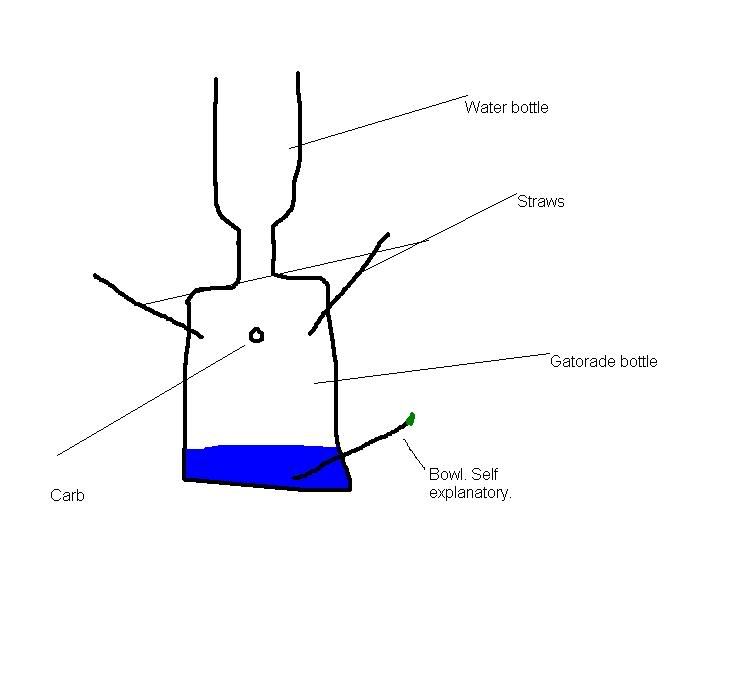
First they took a bottle of Gator juice, poured it out, and made four holes: one at the top, one at the bottom, and two at the sides. They then stuck dragon wings in the two holes, to give additional powers of flight and suction. At the bottom they placed the main weapon of the monster: The Blazing Sword! When activated with heat, The Blazing Sword can turn the mightiest of men into the most docile of kittens, truly something to be feared. But that was not all! Then a bottle of holy water was placed upside down onto the top of the Gator juice bottle, and the top(or rather, the bottom) of the bottle was cut off, and the two were stuck together!

An artist’s rendition of the fearsome Beast was painted some many years later, in remembrance:

Lo, and the beast was born. And its eyes glowed red as its sword did, and the cave in which it dwelled was consumed with a hazy smoke. Two of our heroes would try attacking the wings at once, while another attacked from the top, but this quickly tired them and they had to change positions often. And the smoke did overcome them, and kittens they became. The sword of the Monster pierced straight to their hearts and all seemed lost for our heroes.

The power of the sword could not last forever, though, and as it died out the Monster let out a piercing wail, and a red hot streak flew through the sword and into the belly of the Damned Beast. The Beast was dead, and soon its power of our heroes waned. Then Rizzo, Lancelot, and Gruffington were no longer kittens, they were heroes immortalized in the tale of the Monster Bong. They had created the ultimate evil, and then destroyed it. But they did not come out completely unscathed, for as they walked off into oblivion they left with the world one last piece of advice:

“Be wary ye who gaze into the Bong, for when you gaze into, the Bong gazes into you…”

Labels:

The Drug War and its Roots in American History


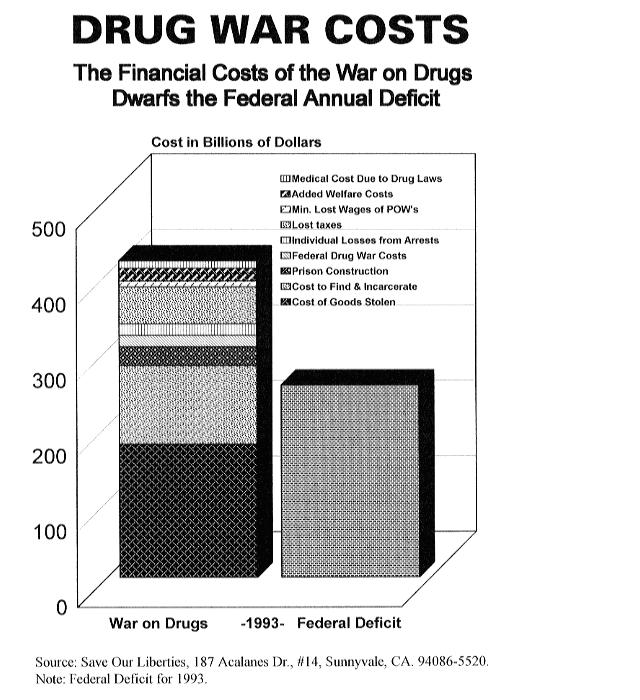
For thousands of years, psychoactive drugs have been used and abused by many cultures all over the world, and only until recently have they been outlawed and demonized by a racist and hypocritical drug war. The beginnings of the American War on Drugs is inseparable with racism such as opium dens being outlawed because of fear of Chinese immigrants seducing white women while Victorian women commonly using laudanum, a tincture of opium. The government relies on a maelstrom of misinformation, lies, and propaganda that is fed through a willing media, and aimed at kids with programs like DARE or Freevibe. For as long as there has been a War on Drugs, there has also been a movement to reform these drugs laws, or at least to practice harm reduction, with such organizations like NORML or Erowid. The War on Drugs has been waged for decades, and is a war on only some drugs, which was not determined by scientific studies and public debate, but by ignorance, politics, and a mainstream hatred for the counter cultures that surround them.

Although psychoactive drug abuse has boomed in the past 100 years, for thousands of years many different cultures used drugs spiritually or medicinally. “Archeologists believe that hallucinogens were also used in a number of ancient societies to help leaders make important decisions relating to issues such as war, hunting, migrating to new home and selecting tribal and spiritual leaders.”(Barter 24) Also, ethnogens were used by ancient religions to help deal with the uncertainties of life. “For thousands of years, people in many cultures have used hallucinogens in an attempt to gain spiritual insights to help them deal with the uncertainties of that are apart of their daily lives.”(Barter 24)

“The first likely use of cannabis was for its fibers although it may also have been grown for its seed.”(Booth 16) The prevalence of cannabis and its medical uses in the Middle East suggest that cannabis may even have been used in Biblical times. “In Biblical times, according to Genesis, Noah ‘Drank of the wine, and was drunken.’”(Gottfried 5) With the likely hood that Noah drank alcohol to become intoxicated may suggest that cannabis may have been used recreationally. “Many urban myths, false stories that are repeated as if they are true have focused on hallucinogens, especially LSD.”(Barter 87) Although there are many urban myths that suggest that hallucinogens are physically damaging, the thousands of years of history and use in ancient cultures show that hallucinogens have been used spiritually with little side effect. Although drugs were used for their psychoactive properties most often they were used for medicine. “The most commonly reported ritual use of psychoactive drugs among indigenous peoples of the Western Hemisphere is healing the sick.”(Barter 28) There is definite proof that hallucinogenic drugs have been used in religion. “The use of peyote as part of religious rituals is legal for members of the Native American Church.”(Barter 85)

There is another drug that is also historically important: Opium, especially in the Far East. “By the second century A.D. Chinese medicine was the most advanced in the world and it was then that a famous physician, Hua Tuo, is said to have discovered that cannabis resin mixed with wine was an effective analgesic.”(Booth 19) Both opium and cannabis have been used historically analgesic reasons, although opium was the most powerful with it containing drugs like morphine and codeine. “The oldest existing historical records and subsequent archeological evidence thought not extensive seem to support the theory, that cannabis was being grown at the dawn of Chinese civilization.”(Booth 17) Cannabis was most widely used for its many other uses such as: housing, food, nutrition, for its fiber and for its fuel, and in the seventeenth century Americans were paid to grow large quantities of hemp.

“Known as the ‘father of the drug war’ Henry Anslinger was the first U.S. commissioner of Narcotics.”( Isralowitz 177) Henry Anslinger contributed much racism to the beginning of the drug war and a racist sentiment was present in anti drug propaganda. “Give one of these Mexicans beat field workers a couple of puffs on a marijuana cigarette and he thinks he’s in the bull ring at Barsalona.”(Booth 135) Cannabis was particularly demonized and many outrageous claims were made against it, which resulted in reactionary pro-drug sentiment which regarded cannabis as completely harmless. “Either cannabis is regarded as an innocuous social drug or a serious danger to society.”(Booth 332) Although today exceedingly outrageous claims aren’t made against marijuana, government policy is that marijuana is a ‘gateway’ drug that leads to harder and addicting drugs. “Opponents of drug legalization argue that seemingly harmless drugs like marijuana can act as a gateway drug that leads to the use of more dangerous drugs.”(Gottfried 14) With plenty of medical evidence to suggest that marijuana is fairly innocuous, it is a rather common belief that cannabis is outlawed for mostly moral beliefs. “The war on cannabis is being fought from a concern not for public health or order (as might be said of the war on heroin or crack) but for public morality.”(Booth 332) “During his presidency [Nixon], the national commission on marijuana and drug abuse, after conducting an exhausted study on marijuana, concluded in 1972 that it was virtually harmless, and that people should not go to jail for smoking it.”(Gottfried 187)

The war on drugs and cannabis specifically has been used for unethical political motivations. “We knew we were lieing about the health effects of marijuana. We knew we were lieing about the relationship of heroin and crime. But this is what we were doing to win the election. And it worked.[-Nixon]”(Gottfried 186) The war on drugs have been used by both major political parties, “strong bi-partisan Congressional support,”(www.mediacampaign.org) has stopped any realistic goals of drug law reform. The American government uses scare tactics to fear the public into a frenzy over drug abuse. ”United States President George W. Bush said, ‘If you quit drugs, you join the fight against terrorism’ .”(www.errowid.org) “Enforce the law, you’ve got to scare them. [Nixon]’(Gottfried 188) The American government tried testing psychoactive drugs for a military edge. “During the 1950’s the CIA believed that LSD might be an effective truth serum.”(Barter 46) The supposed reason for drug legislation is to keep the country safe from criminals. “We are aggressively pushing back against the drug and are working to make America a better place.”(www.mediacampaign.org) However, many people reject the notion that legislating drugs has any positive effect. “5 decades of illicit hallucinogens used by millions of Americans, coupled with legitimate scientific research, have prompted many people to challenge government claims that hallucinogens represent a serious health risk to individuals and to the nation in general.” (Barter, 76) In fact, by criminalizing drug use/abuse, crime hasn’t gone down, by rather it has increased. This is a result of there being a large demand for illegal drugs, which raises huge profits for drug traffickers, all of which is tax free, “Exactly as the Prohibition of alcohol in the 1920’s in the United States helped launch a network of crime.” (www.erowid.org)
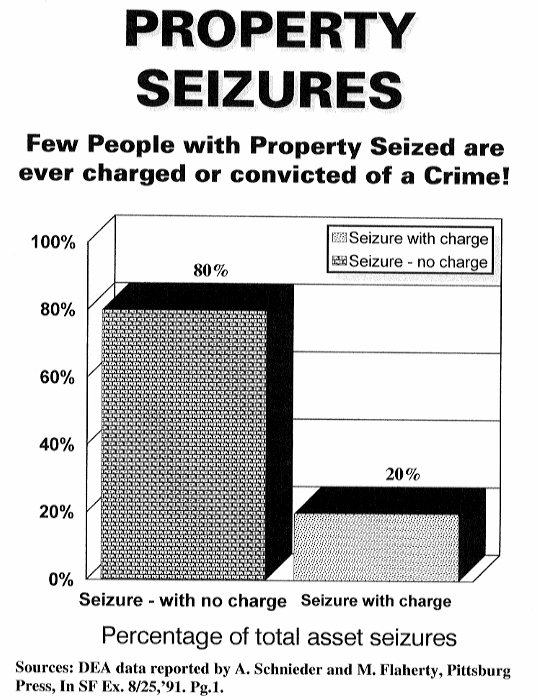

Anti-drug prohibition really started in the 1970’s, with the huge emergence of a counter culture that questioned the government. “1970 saw the formation of the National Organization for the Reform of Marijuana Laws, which campaigned to decriminalize marijuana.” (Gottfried 56) “We are circulating a petition to legalize cannabis.” (Gottfried Sn3) There are also harm reduction organizations or sites that try to inform drug users properly, such as Erowid, or Dance Safe. “…to recommend revision of the drug laws of the United States.” (www.erowid.org) Many protests by

Pro-legalization advocates have taken place, and some times they will organize huge “smoke outs”, where many people will ignore drug laws and smoke marijuana together in a public place. “…was pot smoking…It was a symbol of defiance against the Establishment.” (Gottfried, 54) Although alcohol, which caused more damage than opium or cocaine, prohibition was repealed when realized a failure, the drug was has not. “The drug that most concerned Americans at the time was neither opium nor cocaine, but alcohol.” (Gottfried 42) The Office of National Drug Control Policy spreads anti-drug propaganda by buying air wave time on major media stations for millions of dollars, with a skewed perception of drug use/abuse and its culture. “The primary problem with most of the ONDCP’s media campaigns is that they rely on an ill-defined concept of bad ‘Drugz’.” (www.erowid.org) “The ONDCP has decided to target individuals for choosing to take disapproved psycho actives and blame them directly for violence associated with terrorism.” With a large mainstream surge of biased feelings towards drugs, some people think that the information that is presented don’t let people decide for themselves. “No evidence is provided for students to be able to make up their own minds.” (www.erowid.org)

There are many lies, half truths, spins, and general misinformation that is spread about drugs. Many “studies” conducted by biased researches take their information and spin it in a way to dishonestly convince people things that aren’t true. “Researches have now established that marijuana is addictive.” ( www.mediacampaign.org) Also, many of the statistics that are offered are misinterpreted or mistake correlation for causation. “Students who have smoked marijuana within the past year are more than twice as likely to cut class than those who did not smoke.” (www.mediacampaign.org) Although organizations like the National Youth Anti-drug Media campaign claim that they are trying to educate the youth, they are often misinforming them. “The National Youth Anti-Drug Media Campaign is a multi-dimensional effort to educate and empower youth to reject illicit drugs.” (www.mediacampaign.org) Two popular claims that can’t be backed up with scientific fact include the notion that people who smoke marijuana will engage in “…risky behaviors such; underage drinking, cigarette use, and sexual activity,” (www.mediacampaign.org) or that, “marijuana impairs driving”. (www.mediacampaign.org) The idea that marijuana increases the likelihood of so called “risky behavior” fails to distinct correlation from causation. “Research shows that kids who use marijuana in early adolescence are more likely to engage in risky behavior that may put their futures in jeopardy, such a delinquency; having multiple sex partners; perceiving drugs are not harmful; and having more friend with delinquent behavior.” (www.mediacampaign.org)

Some of the true facts about drug use/abuse hurt the government’s policy towards it, and the legislation. “Alcohol, which is sold legally, does more damage in the US than all illegal drugs combined.” (www.mediacampaign.org) The psychoactive drugs that are sold legally often are just as much full of negative consequences, and sometimes even have more, than their illegal counterparts. “The fact that caffeine is a legal drug does not negate its harmful effects.” (www.mediacampaign.org) The fact is, humans have intoxicated themselves since as far back as one can go, and it is almost impossible to stop it. “According to psycho pharmacologist and Who consultant DR. Ronald K. Slygel, ‘Almost every species of animals has engaged in the natural pursuit of intoxicants.’” (www.mediacampaign.org) “At least 45 million Europeans have tried cannabis at least once.” ( Isralowitz 75) The effect of binge drinking in teens has also been exaggerated. “Binge drinking among young people is clearly declining and it has been doing so for many years.” (Isralowitz 48) “’Bing’ drinking among high school seniors has declined from 41.2% to 31.3% between 1980 and 1997.” (Isralowitz) Even though drugs such as LSD are classified as having no medical value, there have been studies which show that LSD is useful for treating some conditions. “The study found that 53% of 138 alcoholics who received a high dose of LSD abstained from alcohol 6 months after treatment…alcoholics receiving conventional therapy had only a 12% improvement rate.” (Barter 50)

Even though humans, and even animals, have been using psychoactive substances in an attempt to alter their perception for thousands of years, the US government has decided to demonize and persecute users, dealers, and makers of some drugs, for various political reasons. While the government uses its power and influence to spread their message that "drugs are bad", the pro-legalization and harm reduction crowd relies on scientific studies and grass-roots efforts to spread truth where the government spreads myths. Racism has always been a cornerstone of the War on Drugs, whether it was the persecution of Chinese opium users, Mexican marijuana users, or African-American cocaine users.

There are countless examples of government hypocrisy, especially on topics such as harm reduction, when it comes to the War on Drugs. History shows that psychoactive substances have been used recreationally or in religious ceremonies for thousands of years, and while there are real life risks that come with drug use, the American War on Drugs is entirely political. Drug use was once ingrained into mainstream culture thousands of years ago, but now only the counter-cultures have strong ties to drugs, despite the efforts of a failing War on Drugs.

References:

Barter, James. Hallucinogens. San Diego, California. Lucent Books Inc. 2002

Booth, Martin. Cannabis: A history. New York: St. Martin's Press, 2003

“Erowid: Documenting the Complex Relationship between Humans and Psychoactives”. www.erowid.org. (18 February 2006).

Gottfried, Ted. Should Drugs be Legalized?. Brookfield, Connecticut. Twenty First Century Books. 2000

Isralowitz, Richard. Drug Use. Santa Barbara, California. ABC-CLIO Inc. 2004

“Media Campaign”. National Youth Anti-Drug Media Campaign.www.mediacampaign.org . (20 February 2006).


Labels: , ,